
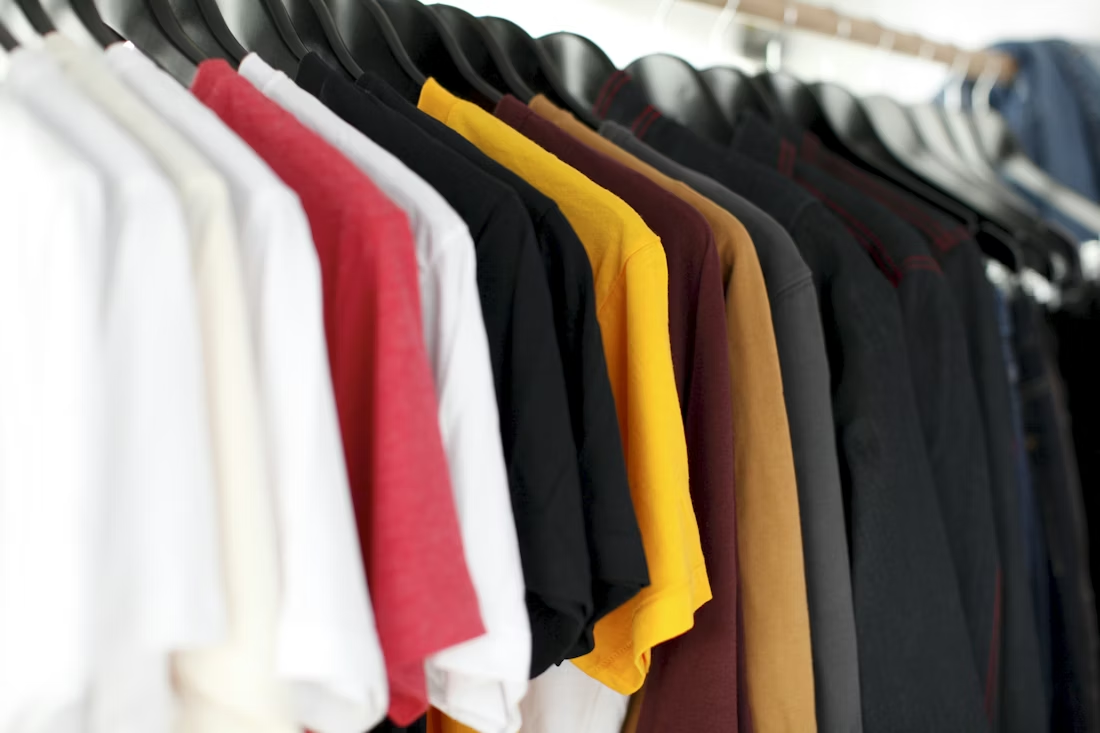
Most closets are full—but not always functional. You open the door, scan through dozens of items, and still feel like you have “nothing to wear.” The truth is, a large portion of what we own often goes unused. Some clothes no longer fit your style, some don’t fit your body, and others are simply forgotten.
Instead of letting these pieces take up space, you can create a simple reuse system that gives your clothes a second life. This approach not only declutters your closet but also saves money, reduces waste, and makes your wardrobe more intentional.
Let’s walk through a practical, easy-to-follow system you can actually stick to.
Step 1: Identify What You Truly Don’t Wear
Before you reuse anything, you need clarity. Go through your closet and separate items into three categories:
- Wear regularly
- Occasionally wear
- Never or rarely wear
Be honest with yourself. If you haven’t worn something in the past 6–12 months, there’s a strong chance you won’t wear it anytime soon.
Ask simple questions:
- Does it fit comfortably?
- Does it match your current style?
- Would I buy this again today?
If the answer is no, it belongs in your “reuse system” pile.
Step 2: Create a Temporary Holding Zone
Don’t rush to throw things away. Instead, create a “transition box” or section in your closet.
Place all rarely worn clothes there and leave them for 30 days. During this time:
- If you reach for something, move it back to your main wardrobe
- If you don’t, it confirms you can let it go
This step helps reduce regret and makes decision-making easier.
Step 3: Sort by Reuse Potential
Once you’ve finalized your unused clothes, divide them into categories based on what you can do with them:
- Still wearable (good condition)
- Fixable (minor damage like loose buttons or small tears)
- Repurpose-ready (worn out but usable fabric)
- Unusable (beyond repair or reuse)
This sorting step is key—it ensures every item is handled thoughtfully instead of being discarded all at once.
Step 4: Repair and Refresh
Many clothes go unworn simply because they need small fixes.
Take time to:
- Sew loose buttons
- Fix small tears
- Remove stains
- Iron or steam wrinkled pieces
Sometimes, a quick refresh can make an item feel brand new again. You might even rediscover pieces you start wearing regularly.
Step 5: Reimagine Your Wardrobe
Before letting go of clothes, try styling them in new ways.
For example:
- Pair old tops with different bottoms
- Layer pieces for a fresh look
- Use accessories to update outfits
You can also experiment with seasonal rotation—some items feel outdated simply because you’ve seen them too often.
A new combination can completely change how you feel about an item.
Step 6: Repurpose Creatively
Clothes that are too worn to donate can still be incredibly useful.
Here are practical reuse ideas:
- Turn old t-shirts into cleaning rags
- Convert denim into tote bags or storage pouches
- Use soft fabrics as pillow covers or DIY quilts
- Cut fabric for craft projects
This step not only reduces waste but also gives your clothes a meaningful second life.
Step 7: Donate Thoughtfully
For clothes in good condition, donation is one of the best reuse options.
Make sure:
- Items are clean and presentable
- They are something someone else would actually wear
- Seasonal items are donated at the right time
Look for:
- Local shelters
- Community centers
- Clothing drives
Donating responsibly ensures your clothes genuinely help someone else instead of becoming waste.
Step 8: Sell What Has Value
Some items may still hold resale value, especially:
- Branded clothing
- Barely worn pieces
- Trendy or timeless styles
You can sell through:
- Online marketplaces
- Local thrift stores
- Consignment shops
This step not only clears space but also helps you recover some of your original investment.
Step 9: Create a “One In, One Out” Rule
To prevent your closet from becoming overcrowded again, adopt a simple rule:
For every new item you bring in, one item must go out.
This keeps your wardrobe balanced and encourages mindful shopping.
Step 10: Build a Capsule Wardrobe Mindset
A reuse system works best when paired with intentional buying habits.
Focus on:
- Quality over quantity
- Versatile pieces that mix and match easily
- Neutral colors with a few standout items
When your wardrobe is more intentional, fewer clothes end up unused.
Step 11: Store Smartly
Proper storage can make a big difference in how often you use your clothes.
Tips:
- Keep frequently worn items at eye level
- Store seasonal clothes separately
- Use clear bins or labels for easy access
When everything is visible and organized, you’re more likely to use what you already own.
Step 12: Track Your Usage
A simple trick to understand your habits is to track what you wear.
Try this:
- Turn all hangers in one direction
- After wearing something, turn the hanger the other way
After a few months, you’ll clearly see which clothes are being used—and which are not.
This insight helps you make better decisions in the future.
Step 13: Make It a Routine
Don’t wait for your closet to overflow again. Schedule regular check-ins:
- Quick review every 3 months
- Deep clean every 6–12 months
Consistency is what keeps your reuse system effective long-term.
Step 14: Shift Your Perspective
The biggest change isn’t physical—it’s mental.
Instead of thinking:
“I might wear this someday…”
Start thinking:
“Is this adding value to my life right now?”
Clothes are meant to be worn, not stored indefinitely. Letting go doesn’t mean waste—it means making space for better use.
Step 15: Enjoy the Benefits
Once you implement a closet reuse system, you’ll start noticing real benefits:
- Less clutter and stress
- Easier outfit choices
- More space and organization
- Reduced unnecessary spending
- A more sustainable lifestyle
Your closet becomes a place of clarity rather than confusion.
Final Thoughts
A closet reuse system isn’t about throwing things away—it’s about using what you already have more wisely. Every piece of clothing has potential, whether it’s worn, repaired, repurposed, donated, or sold.
By creating a simple system and sticking to it, you turn your closet into something functional, efficient, and aligned with your lifestyle.
Start small. Pick one section of your closet today and begin the process. As you build momentum, the entire system will come together naturally.
In the end, it’s not about having more clothes—it’s about making better use of the ones you already own.