
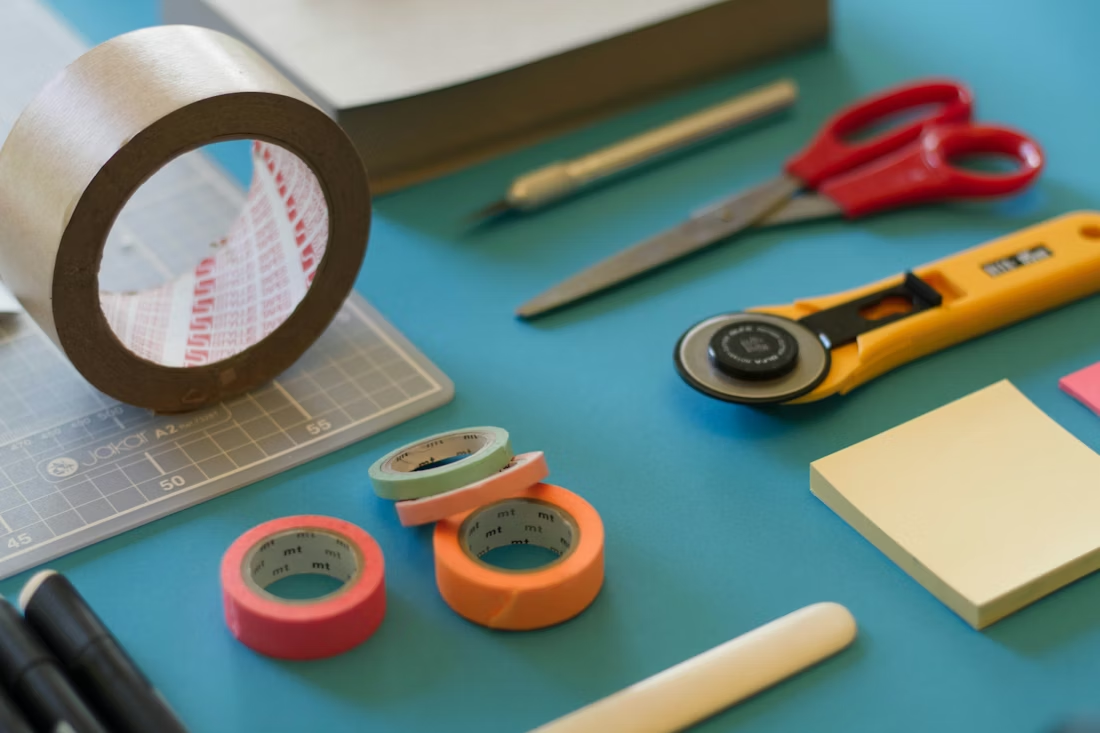
In a world where replacing things is often easier than repairing them, we’ve quietly lost a valuable habit—the ability to fix small problems before they turn into bigger ones. A loose button, a wobbly screw, a tiny tear—these issues seem minor, yet they often lead to unnecessary replacements.
The solution isn’t complicated or expensive. It starts with something small: a tiny, well-organized repair kit.
This simple kit can save you money, reduce waste, and give you a sense of control over everyday problems. More importantly, it helps you shift from a “replace” mindset to a “repair first” approach.
Let’s explore how a small repair kit can make a surprisingly big difference in your daily life.
Why a Tiny Repair Kit Matters
Most items we throw away aren’t completely broken—they just need minor fixes. But when you don’t have the right tools nearby, even simple repairs feel inconvenient.
That’s where a tiny repair kit comes in.
Instead of delaying or ignoring small issues, you can fix them immediately. This prevents:
- Minor damage from getting worse
- Unnecessary spending on replacements
- Clutter from unused or broken items
Think of it as your first line of defense against waste.
What Goes Into a Tiny Repair Kit?
The goal isn’t to build a full toolbox—it’s to create a compact kit with essentials for quick fixes.
Here’s what you should include:
1. Basic Sewing Supplies
- Needles
- Neutral thread (black, white, gray)
- Small scissors
- Safety pins
Perfect for fixing loose buttons, small tears, or hems.
2. Mini Screwdriver Set
- Flathead and Phillips screwdrivers
Useful for tightening screws on furniture, electronics, and household items.
3. Strong Adhesives
- Super glue
- Fabric glue
- All-purpose adhesive
Great for fixing broken items, sealing cracks, or quick bonding jobs.
4. Measuring Tape
Helpful for small adjustments, fittings, or DIY fixes.
5. Duct Tape or Repair Tape
A temporary solution for many problems—leaks, cracks, or loose parts.
6. Spare Buttons and Fasteners
Keep extra buttons from old clothes or packaging.
7. Small Pliers
Useful for gripping, bending, or pulling small parts.
8. Utility Knife or Multi-tool
For cutting, trimming, or quick adjustments.
All of this can fit into a small box, pouch, or even a drawer. The key is accessibility—you want it within reach when something needs fixing.
The Power of Fixing Things Immediately
Timing plays a big role in whether something gets repaired or replaced.
When you notice a problem and fix it right away:
- It takes less time
- The repair is usually easier
- You avoid bigger damage later
For example:
- Tightening a loose screw takes seconds—but ignoring it could lead to a broken chair
- Fixing a small tear prevents it from becoming unwearable
- Gluing a crack early avoids a full replacement
Your tiny repair kit makes immediate action possible.
Everyday Problems You Can Fix Easily
You’d be surprised how many things you can repair with just a few tools.
Common examples:
- Loose cabinet handles
- Wobbly table legs
- Broken zippers (temporary fixes)
- Small holes in clothing
- Detached shoe soles
- Cracked plastic items
These fixes don’t require expert skills—just a little effort and the right tools.
Saving Money Without Feeling Restricted
Repairing items doesn’t just reduce waste—it directly impacts your budget.
Think about it:
- Replacing a shirt vs. sewing a button
- Buying new furniture vs. tightening screws
- Throwing away items vs. fixing them in minutes
Over time, these small savings add up significantly. And unlike cutting expenses, this doesn’t feel like a sacrifice—it feels practical and empowering.
Building a Repair Mindset
The real benefit of a tiny repair kit isn’t just the tools—it’s the mindset it creates.
Instead of asking:
“Should I replace this?”
You start asking:
“Can I fix this first?”
This simple shift changes how you interact with your belongings. You become more mindful, resourceful, and less dependent on constant replacements.
Keeping Your Kit Organized
A messy repair kit defeats its purpose. Keep it simple and organized:
- Use a small box with compartments
- Label sections if needed
- Restock items when they run out
You don’t want to search for tools—you want to grab and fix quickly.
Make It Part of Your Routine
To get the most out of your repair kit, integrate it into your daily life.
For example:
- Fix things as soon as you notice them
- Set aside a few minutes weekly for small repairs
- Keep the kit in an easy-to-access location
The more you use it, the more natural it becomes.
Teaching Others the Habit
If you live with family, encourage them to use the repair kit too.
This can:
- Reduce household waste
- Save money collectively
- Build useful life skills
Even kids can learn simple fixes like sewing buttons or using tape properly.
When to Repair vs. Replace
Not everything can—or should—be repaired.
Know the difference:
- Repair when the fix is quick, safe, and cost-effective
- Replace when the item is beyond repair or unsafe to use
The goal isn’t to fix everything—it’s to avoid unnecessary replacements.
Environmental Impact
Every item you repair instead of replacing reduces:
- Waste in landfills
- Demand for new products
- Resource consumption
Your tiny repair kit contributes to a more sustainable lifestyle without requiring major changes.
Start Small, Stay Consistent
You don’t need to fix everything at once. Start with small wins:
- Sew one button
- Tighten one screw
- Glue one broken item
These small actions build momentum and confidence.
Final Thoughts
A tiny repair kit might not look like much, but it represents a powerful shift in how you handle everyday problems. It puts control back in your hands and helps you make smarter, more sustainable choices.
Instead of replacing things out of convenience, you start fixing them out of habit. Over time, this saves money, reduces waste, and simplifies your life.
So take a few minutes today to put together your own repair kit. Keep it small, keep it accessible, and most importantly—use it.
Because sometimes, the smallest tools can make the biggest difference.